01Basin-mounted
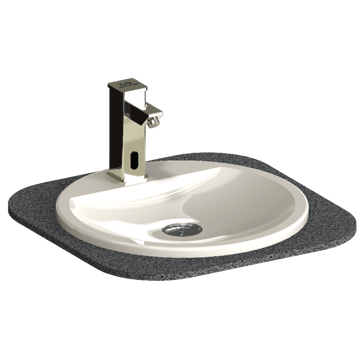
S3For the basin deck
A compact starting point for a compatible wash basin with a tap hole.
AC power with battery backup. Infrared sensing controls the solenoid valve.
Explore S3

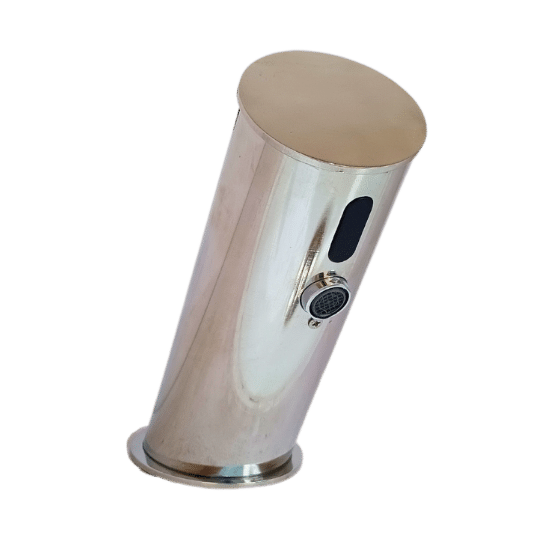
Automatic sensor taps for wash basins, tabletop basins and concealed wall-mounted installations. Choose stainless steel construction and a fit that works for your washroom.
Start with your basin and mounting position, then compare the details. Every installation needs the right reach, clearance and power arrangement.
A compact starting point for a compatible wash basin with a tap hole.
AC power with battery backup. Infrared sensing controls the solenoid valve.
Explore S3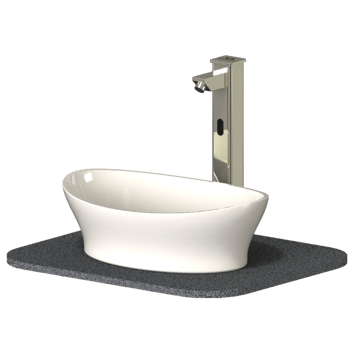
A tall body for tabletop basins. Check outlet height and spout reach.
AC power with battery backup. Confirm dimensions against your basin before ordering.
Enquire about S4D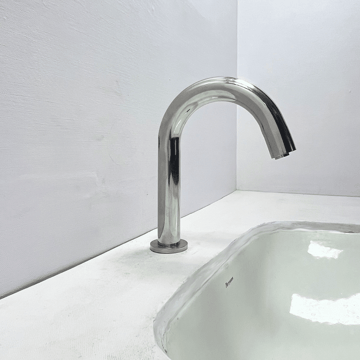
Basin mounting with an infrared sensor positioned at the spout.
Spout-mounted infrared sensing. Confirm the power configuration for your selected model.
Explore S5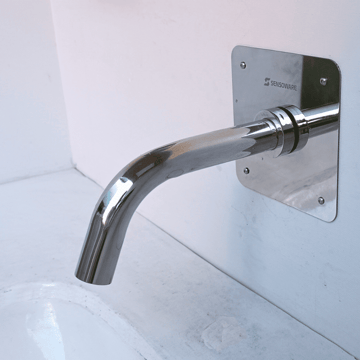
Concealed wall mounting with service access planned before installation.
AC power with battery backup. Plan access to concealed connections for servicing.
Explore S6Measure the basin. Check the plumbing. Confirm power and service access.
Plan your installationInfrared sensing activates water flow when hands enter the detection area.
A stainless steel tap body with a polished surface. The material itself is stainless steel.
A foam-flow aerator mixes air into the stream for comfortable hand washing.
No handle to turn. No shared tap surface to touch. Infrared sensing responds when hands enter the detection area.
Bring hands into the sensing area to start the washing stream.
Move hands out of range and the tap stops the flow automatically.
Users avoid touching a shared handle before or after washing. Sensor taps support hygiene routines alongside regular cleaning and proper hand washing.
Automatic shutoff helps limit unnecessary running water. A foam-flow aerator mixes air into the stream for comfortable washing.
Actual water savings depend on the model, flow rate, water pressure, usage and the tap being replaced. The illustrations explain sensing behavior; they are not product dimensions or performance measurements.
Plan the fit above the basin, the connections below it and access for everyday care.
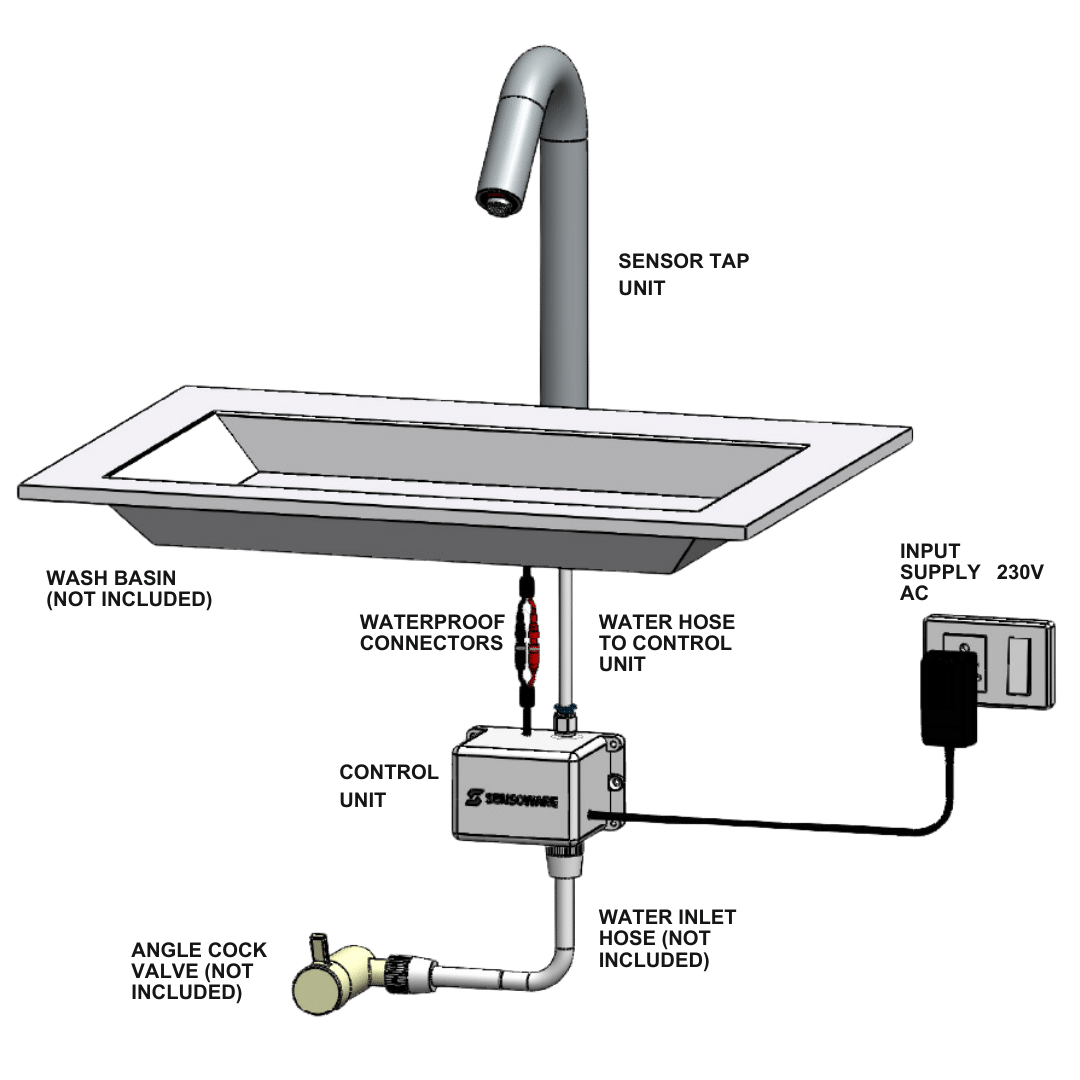 Enlarge installation diagram ↗
Check the tap hole, spout reach and outlet height against your basin drawing. A tall sensor tap needs clearance above a tabletop basin; a concealed wall-mounted tap needs its plumbing planned in advance.
Confirm the supplied power configuration and a suitable location for its components. Keep the control box, batteries and connections accessible for servicing.
Keep the sensor window and aerator clean according to the product instructions. If operation changes, check the power supply and water supply before arranging service.
For offices, hotels, restaurants and public restrooms, plan cleaning access, component servicing and spare-battery arrangements alongside your basin layout.
Confirm inlet connections, operating water pressure and the selected model’s suitability for your site before ordering.
It may be possible to keep your basin. Compatibility depends on the mounting hole, tap dimensions, plumbing and power arrangement—not just the appearance of the new tap.
Compare the hole size, deck thickness and fixing space with the chosen tap’s drawing. Check spout reach and hand clearance above the basin.
Confirm inlet connections, operating water pressure and space for the selected model’s components. Keep valves and connections accessible.
Check the required supply and any battery-backup provision for the model. Existing plumbing alone does not confirm electrical compatibility.
A sensor tap, also called an automatic or touchless faucet, uses an infrared sensor to detect hands. The sensor controls a valve that releases water when hands enter the sensing area.
Sensor taps are available in four mounting styles: wash basin-mounted, countertop-mounted, exposed wall-mounted, and concealed wall-mounted. Choose a model that suits your basin and installation. Refer to the sensor taps YouTube playlist.
Yes. Sensor taps need power to operate their sensors and valves. Depending on the model, they use AC power, batteries, or AC power with automatic battery backup.
Sensoware sensor taps use a sealed transformer to convert AC power to 6V DC before it reaches the sensor. Follow the product installation instructions and have electrical connections completed by a qualified installer.
Automatic sensor taps stop the flow when hands leave the sensing area. A foam-flow aerator mixes air with water to help reduce water use. Actual savings depend on the tap model, flow rate, water pressure, usage patterns, and the tap being replaced.
Sensor tap pricing depends on the model, mounting style, power configuration and quantity. Share your basin layout, preferred model, quantity and delivery location using the pricing form on this page for a quotation. Basins and display fixtures shown in the images are not included with the standard tap.
Check the mounting position, basin height, spout reach, and clearance needed for washing hands. Compare the product drawings with your basin and confirm the water-pressure and power requirements before ordering.
A countertop sensor tap mounts through the counter beside the basin. A wall-mounted sensor tap connects at the wall. Concealed models require planning for hidden plumbing and access to components for servicing.
Models configured with AC power and battery backup can operate from their backup batteries during an AC power interruption, provided the batteries are installed and charged. Confirm the power configuration of your selected model and follow its battery-maintenance instructions.
Confirm the selected model’s inlet connection, operating pressure range, mounting dimensions, and power-supply location using its installation documentation. Ask our team to check compatibility with your site before purchase.
Do not assume an automatic sensor tap includes a hot-and-cold mixer. Confirm the selected model’s inlet arrangement, permitted water temperature and any compatible mixing arrangement before installation.
Keep the sensor window clean and unobstructed, maintain the aerator according to the product instructions and check the batteries where fitted. If water flow or sensing changes, check the power and water supplies and contact support for model-specific help.
Pair your sensor taps with automatic urinal flushers. Choose the installation that fits your plumbing, wall layout and maintenance access.
Sensor taps for touchfree hand washing
Sensor-controlled automatic flushing
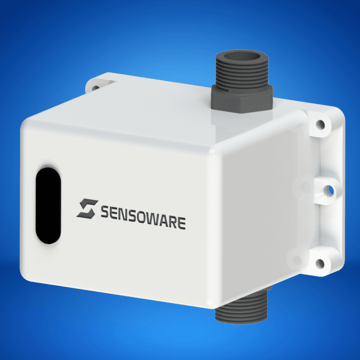
Visible control unit for an exposed installation.
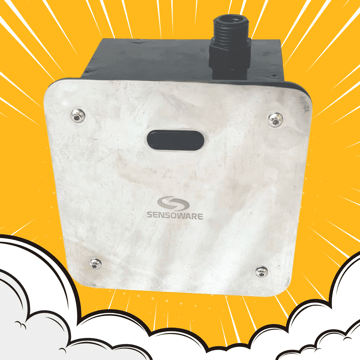
Wall faceplate with the control unit behind it.
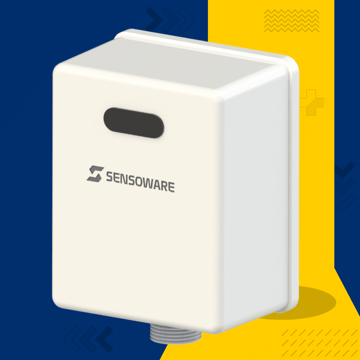
Check compatibility with your existing flushing arrangement.
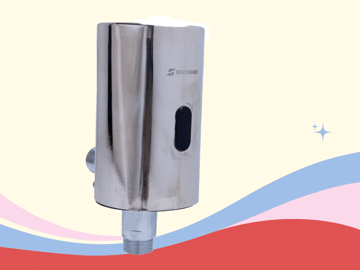
Exposed sensor unit with stainless steel construction.
Planning one basin or a complete washroom? Tell us about your installation and we’ll help you choose a sensor tap and request a model-specific quote.
Sensor tap price depends on the selected model, configuration and quantity. Basins and display fixtures are not included.