

Electric Motorized Actuated Shut-off and Regulating Needle Valves
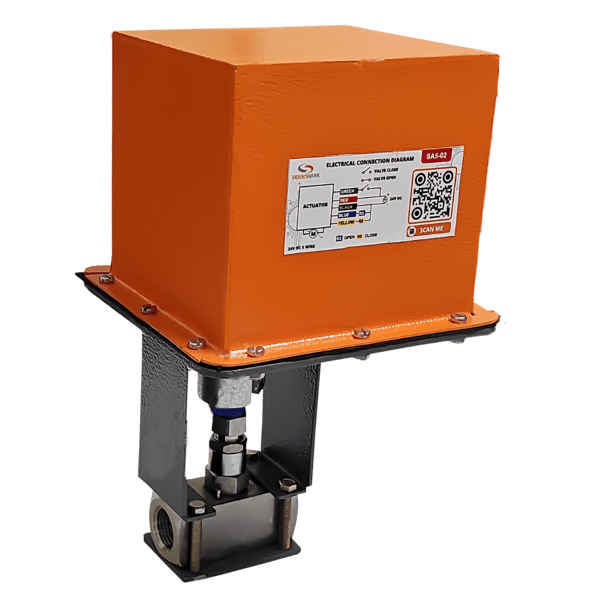
A motorized needle valve controls the flow of oil in a burner system. Its precision V-oil port allows micro-metering of oil flow, while its tight shut-off design helps prevent dripping during shutdown. With a Sensoware motorized actuator, the valve can modulate flow through a 0–180° control sweep.
How do they work.
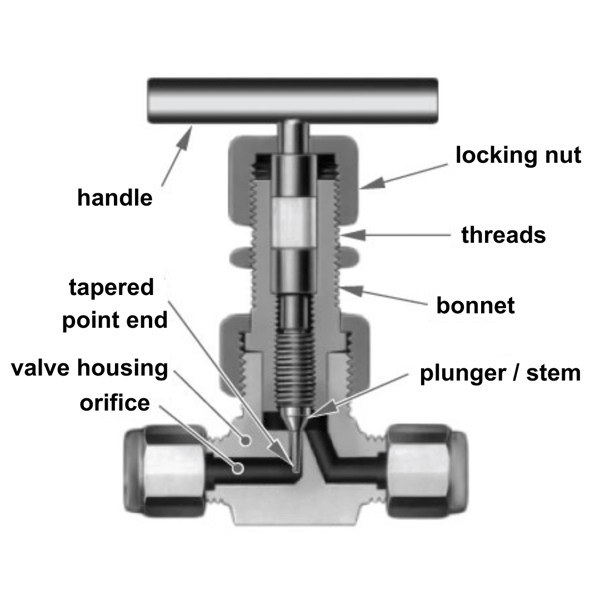
When you turn the handle of a needle valve, it raises and lowers a tapered plunger to open or seal the valve. The plunger moves up and down on threads inside the shaft of the valve, and there’s a locking nut to prevent it from unscrewing all the way out.
Because the plunger moves up and down on threads, you can very accurately control where the tapered end of the plunger sits in relation to the valve seat. This allows you to control flow very precisely between maximum and zero.
In the motorized version, motors and position feedback controls move the stem to achieve the desired output parameters.
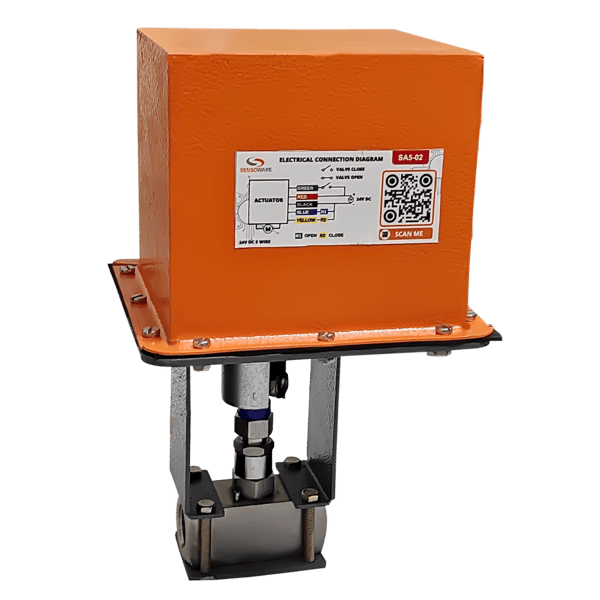
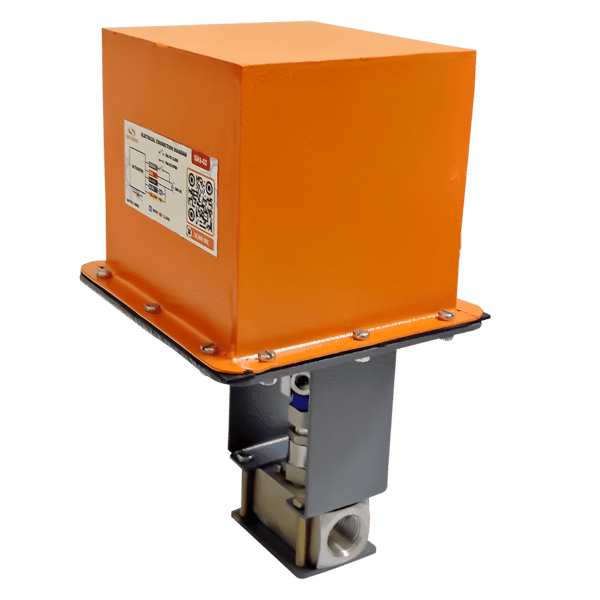
Motorized Needle Valve — 15mm / 1/2 inch
Stainless-steel needle valves with electric actuation for precise flow control. Choose ON/OFF or regulating operation and the appropriate supply voltage.
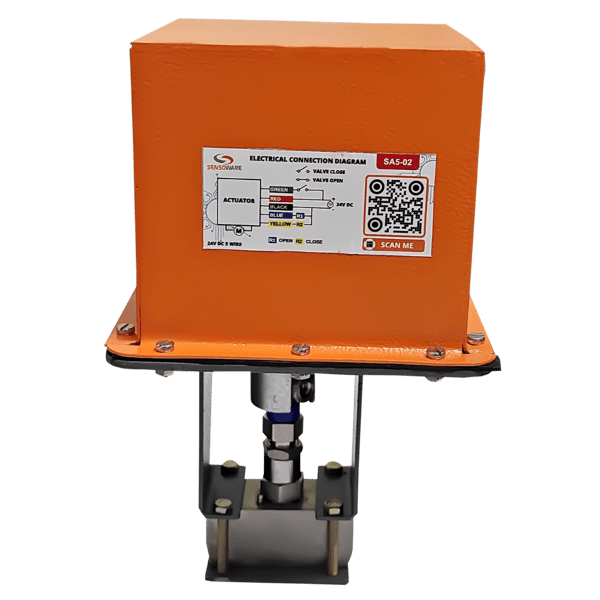
Specifications
| Size | 15mm / 1/2 inch screwed ends |
|---|---|
| Material | SS304 / SS316 |
| Voltage options | 12V DC / 24V DC / 220V AC |
| Function | ON/OFF or modulating |
| Feedback | Optional |
| Operating speed | 30–60 seconds |
| Temperature | Up to 90°C |
| Pressure rating | Up to 1500 bar — confirm selected configuration |
| Number of ports | 2-way |
The source lists a maximum pressure of 1500 bar. Confirm the actual valve, connections, fluid compatibility and allowable pressure at operating temperature before selection; maximum pressure and temperature are not necessarily simultaneous ratings.
Frequently Asked Questions
What is a needle valve?
A needle valve uses a slender tapered plunger and matching seat to adjust the opening through which fluid passes.
What is its primary function?
It provides fine flow regulation where small adjustments matter. The selected configuration can also provide shut-off operation.
What needle-valve designs are available?
Common designs include straight, angle and multiport arrangements. Actuation may be manual, electric, pneumatic or hydraulic; this page describes an electric assembly.
How does it differ from a one-way flow-control valve?
A needle valve meters flow through its adjustable opening. A flow-control assembly with a bypass check valve can meter in one direction and allow freer flow in reverse. Confirm the circuit and selected model.
Explore the Valve Range
Different fluids, connections and control needs. Find the valve that fits your application.
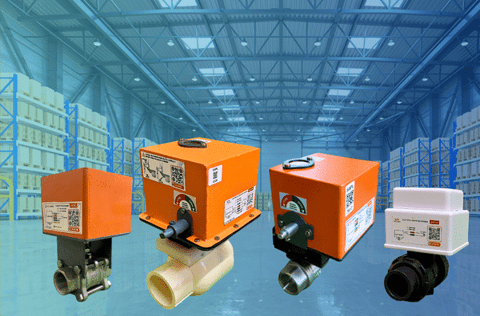
More materials.
More possibilities.
Explore ball, butterfly and multiport valves, with a choice of body materials and connections.
Browse all valves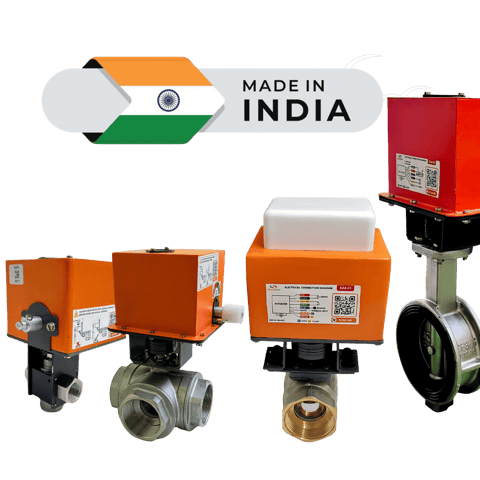
A clearer path to
the right valve.
Understand valve types, actuator operation and control options before choosing your configuration.
Explore the selection guide